
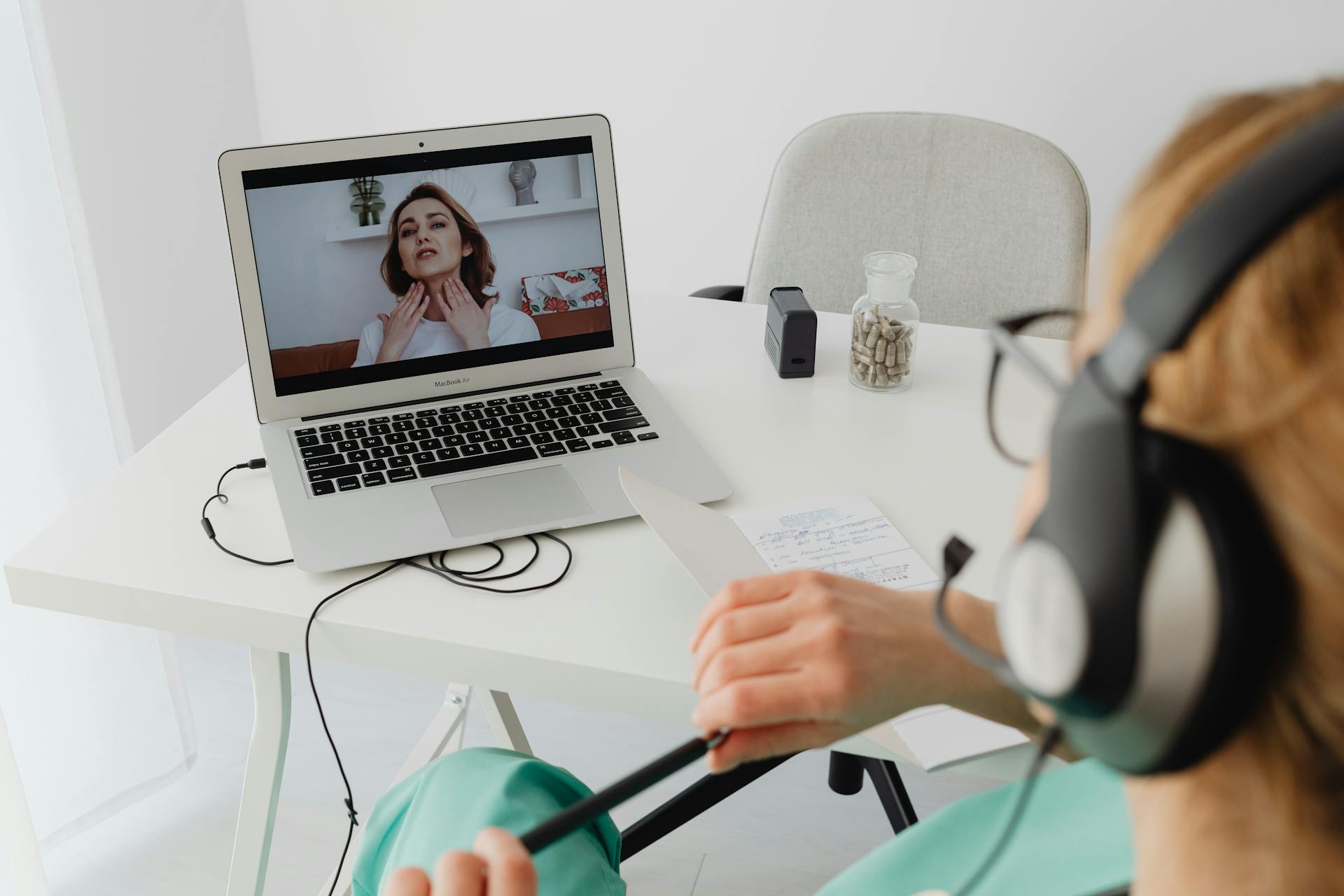
Telemedicine has revolutionized healthcare by allowing patients to consult doctors from the comfort of their homes. However, many first-time users find virtual appointments unfamiliar, and technical glitches or poor preparation can reduce their effectiveness. With the right approach, telemedicine visits can be just as productive as in-person consultations. Simple adjustments in preparation, technology, and communication can help maximize the benefits of virtual healthcare. Top tips for a smooth telemedicine appointment guide patients through practical steps to make each visit efficient, comfortable, and stress-free. By planning ahead and understanding best practices, you can improve interaction with healthcare providers, address health concerns promptly, and avoid unnecessary delays or confusion.
Test Your Technology Beforehand
 Technical issues are one of the most common obstacles to a successful telemedicine visit. Before the appointment, check your internet connection to avoid interruptions. Ensure your camera, microphone, and speakers are functioning properly. Testing your telemedicine platform in advance allows you to become familiar with its features, such as screen sharing, file uploading, and chat functions. Close unnecessary applications to improve device performance and reduce the risk of crashes. If you’re using a mobile device, make sure it’s fully charged or plugged in during the consultation. Preparing your technology in advance reduces stress, prevents delays, and allows the appointment to focus on healthcare rather than troubleshooting.
Choose a Quiet, Well-Lit Space
Your environment can significantly affect the quality of a telemedicine visit. Select a private area where interruptions from family members, pets, or outside noise are minimized. Good lighting, preferably natural light or a bright lamp facing you, helps the doctor see you clearly, which is especially important for visual assessments. Sitting at a desk or table rather than lying on a bed provides better posture and makes it easier to take notes. Background distractions, clutter, or poor lighting can make communication less effective and reduce the accuracy of observations. A calm, organized setting ensures a more professional and productive consultation.
Prepare Your Medical Information
Having your health information ready improves efficiency and helps your healthcare provider make informed decisions. Collect relevant medical records, lab results, medications, and a list of symptoms before the appointment. Note any questions or concerns you want to address during the visit. Organizing this information allows you to communicate clearly and prevents forgetting important details. Accurate data helps the provider evaluate your condition accurately and recommend appropriate next steps. If needed, prepare photos or videos to show physical symptoms, which can be particularly helpful for skin conditions, injuries, or visible changes in health. Being prepared streamlines the appointment and enhances the overall quality of care.
Communicate Clearly and Concisely
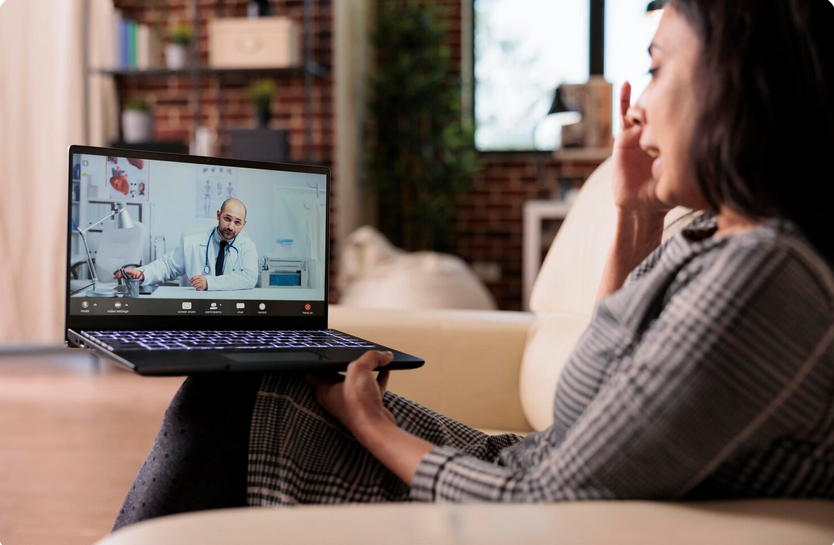
Effective communication is critical for a successful telemedicine experience. Speak clearly, describe symptoms in detail, and avoid assuming the doctor knows all aspects of your health. If you don’t understand something, ask follow-up questions to clarify instructions or recommendations. Taking notes during the consultation can help you remember advice, prescription details, or lifestyle recommendations. Avoid multitasking during the session, as it can reduce focus and lead to missed information. Clear, focused communication ensures the healthcare provider receives accurate information and helps you get practical guidance that addresses your specific needs.
Follow Up and Review Instructions
After the appointment, review any instructions, prescriptions, or follow-up steps provided by your healthcare provider. Set reminders for taking medications, scheduling future tests, or booking another telemedicine session if necessary. Some telemedicine platforms allow secure messaging to clarify questions after the appointment. Following guidance promptly ensures continuity of care and prevents minor issues from becoming serious problems. Keeping a personal record of recommendations, treatments, or changes in symptoms can help track progress and provide useful information for future appointments. Consistent follow-up transforms a simple virtual visit into a meaningful step toward better health.
A successful telemedicine appointment depends on preparation, technology, and communication. Testing equipment, selecting a quiet space, organizing medical information, communicating effectively, and following up on instructions all …